Waterproofing service
Leak detection, repair, and waterproofing for homes and buildings across Dallas–Fort Worth.
- Leak Detection and Repair
- Balcony Waterproofing
- Window and Door Flashing
- Air and Water Barrier Installation
- Protective Coatings
Fort Worth contains a wide range of housing eras and property types, from the pre-war Craftsman bungalows and Queen Anne cottages of Fairmount and Ryan Place near the Near Southside to the mid-century ranch homes of Wedgwood and Ridglea Hills, and newer construction in North Fort Worth communities like Heritage and Park Glen. The city's westside historic neighborhoods, concentrated in a band running from the Cultural District through Fairmount, include homes built primarily between 1895 and 1940 where original brick and stucco systems have been repaired multiple times with incompatible materials. North Fort Worth has seen significant new residential construction, where proper air and water barrier installation during the build phase is the most effective way to prevent long-term moisture problems. Commercial properties near the Cultural District and Downtown Fort Worth, including older masonry buildings, face parapet and window waterproofing challenges that require a different approach than residential work.
Fort Worth, TX
TX Service Area
Communities we serve
Fort Worth, TX
Waterproofing Service
Fairmount, one of Fort Worth's most intact historic residential districts, contains nearly 900 homes built primarily between 1895 and 1940. These homes were constructed with lime-based mortars and original hard-coat stucco that behaves differently from modern materials. When patches are applied with Portland cement, the harder patch material does not flex with the original wall, and new cracks form at the patch boundary within a few seasons. Matching the original mortar composition and stucco mix is the correct approach, not the fastest one.
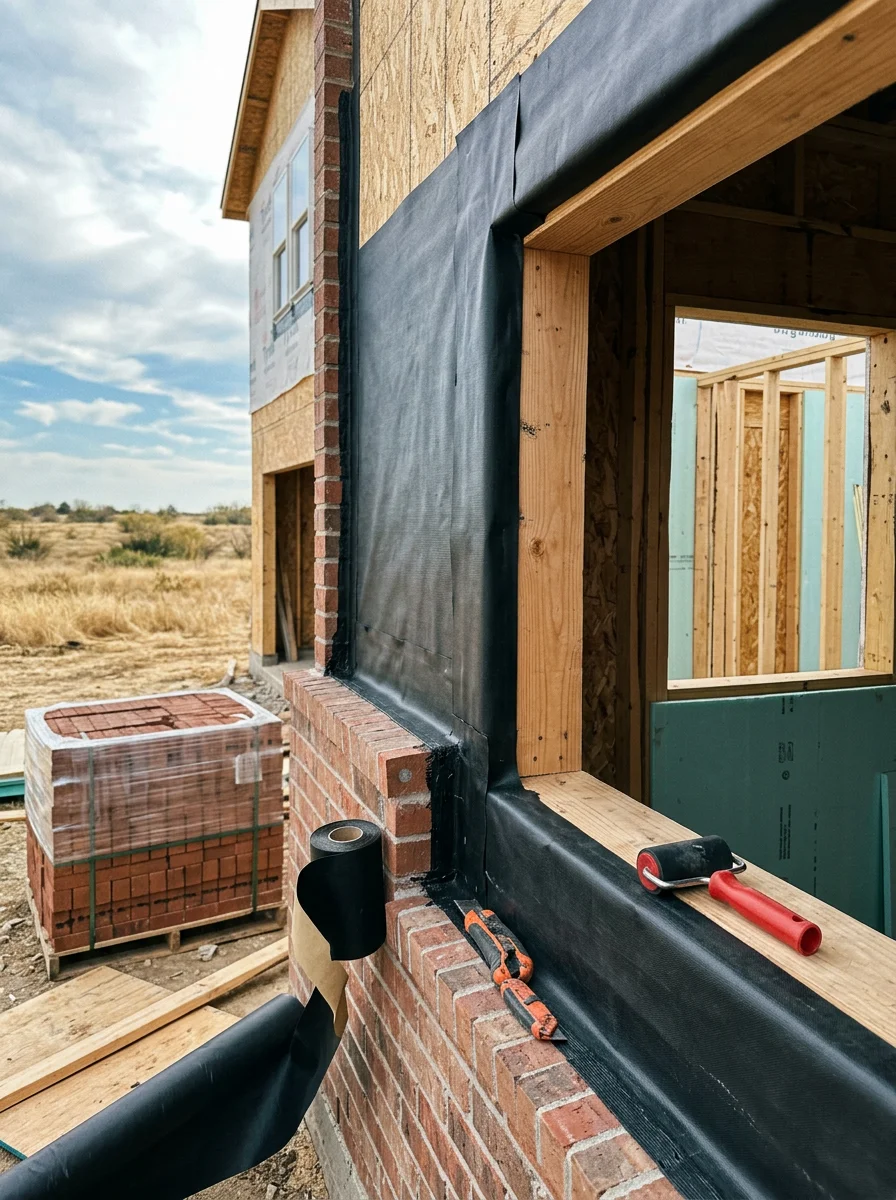
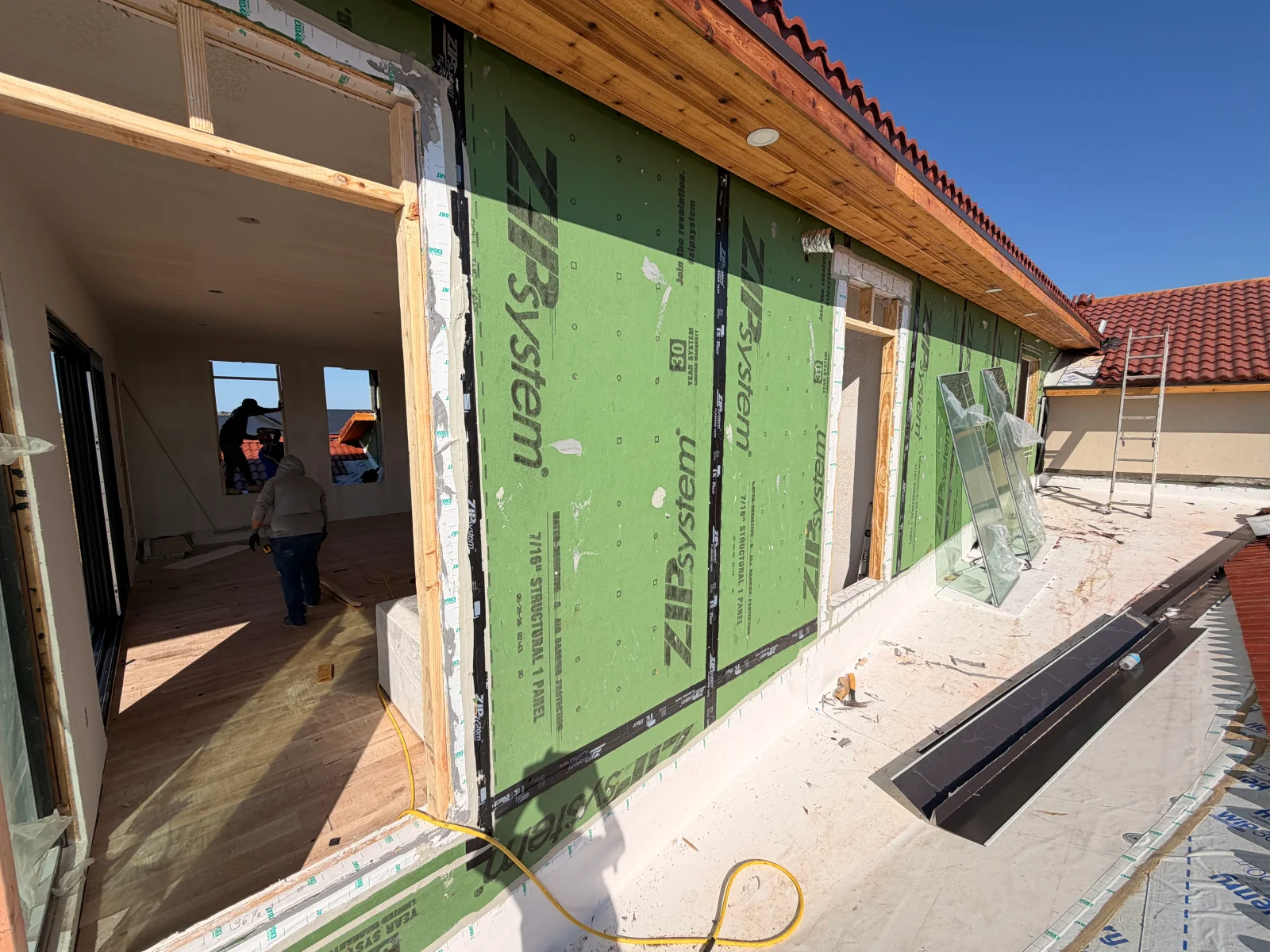
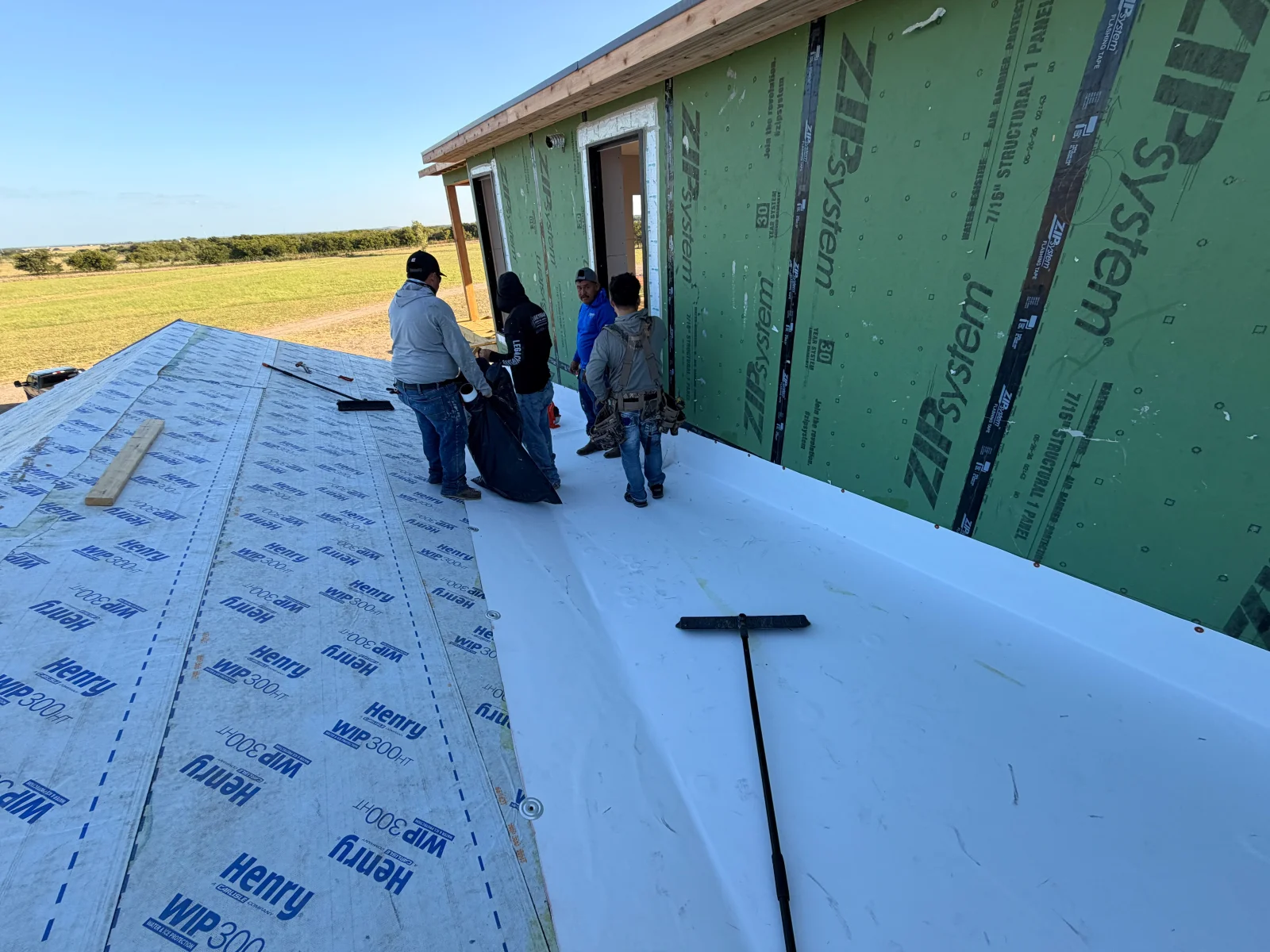
North Fort Worth communities like Heritage and Park Glen represent the other end of the spectrum: new construction where the waterproofing layer is installed during the build phase and must be done correctly before any exterior cladding goes on. An air and water barrier that is not lapped and taped at seams, or that is not integrated properly with window and door flashing, will allow water to enter the wall cavity even on a brand-new home. We work with builders in this area to install these systems in the correct sequence so the finished exterior performs as designed.
Fort Worth's spring storm season brings hail and straight-line wind events that affect both historic and newer properties. On older brick homes in Arlington Heights and Monticello, hail can dislodge already-loose mortar and crack stucco that has been stressed by decades of thermal cycling. On newer stucco homes in the Mira Vista and Tanglewood areas, hail impact can crack the finish coat and expose the drainage plane below to direct water entry. Inspecting the full exterior system after a significant storm, not just the roof, captures damage that would otherwise go unaddressed until it reaches the interior.
At a glance
Historic stuccos and renders are a specific need in Fort Worth's Fairmount and Ryan Place neighborhoods, where pre-war homes have original lime-based stucco that requires period-appropriate repair materials rather than modern Portland cement patches. Brick and block work, including mortar joint repair and repointing, addresses water infiltration in the older masonry homes throughout the Near Southside and Cultural District area. New construction services, including air and water barrier installation, are in demand in North Fort Worth communities where the pace of residential development means waterproofing details are sometimes rushed during the framing stage. Roof repair for storm and wind damage is also a common need across Fort Worth, where the same spring storm systems that affect Dallas bring hail and straight-line winds to Tarrant County properties.
Leak detection, repair, and waterproofing for homes and buildings across Dallas–Fort Worth.
Stucco installation, repair, and historic renders for homes across Dallas–Fort Worth.
Brick, block, and stone masonry work for homes and commercial buildings in Dallas–Fort Worth.
Roof repair for storm and wind damage, plus attic venting, serving Frisco and nearby cities.
Worked with us?
Leave a ReviewWorked with us?
Leave a ReviewNo qualifying reviews with text to display yet (only 4+ star reviews with a written comment are shown).
 Waterproofing service
 Waterproofing service
 Waterproofing service
Serving Fort Worth, TX
Our crew knows Fort Worth, TX. We will show up on time, assess the job honestly, and give you a clear written number before asking you to decide anything.
Also serving across Dallas-Fort Worth:
Common questions from Fort Worth, TX customers about our services, process, and coverage.
The key is matching the original stucco composition before applying any patch material. Pre-war stucco in Fort Worth's Fairmount and Ryan Place neighborhoods was typically a lime-based three-coat system, and patching it with a modern Portland cement mix creates a harder, less flexible repair that cracks at the edges as the original wall continues to move. A contractor experienced with historic renders will test the existing material and match the mix ratio and finish texture so the repair bonds correctly and does not stand out against the surrounding wall.
The most important step is installing a continuous air and water barrier over the sheathing before any exterior cladding goes on. Every window and door opening must be flashed with a self-adhering membrane that laps correctly over the drainage plane below, and all seams in the barrier must be taped. Kick-out flashings at roof-to-wall transitions and weep screeds at the base of stucco systems are also required details that are sometimes skipped when construction schedules are compressed. Getting these elements right during the build phase costs far less than correcting water damage after the home is occupied.
Standard Texas homeowners policies generally include wind and hail coverage for roofing and exterior cladding. The claim process requires documenting the damage with photographs and identifying the storm event that caused it. Coverage can be reduced or denied if an adjuster determines that pre-existing deterioration, rather than storm impact, is the primary cause of the damage. Getting an inspection of the full exterior system promptly after a storm, and keeping records of the storm date, gives you the documentation needed to support a claim.
Call us directly. Real answers, no scripts.
Stop by, call, or book online — we're always nearby when you need us.
Phone
(214) 476-6315Hours